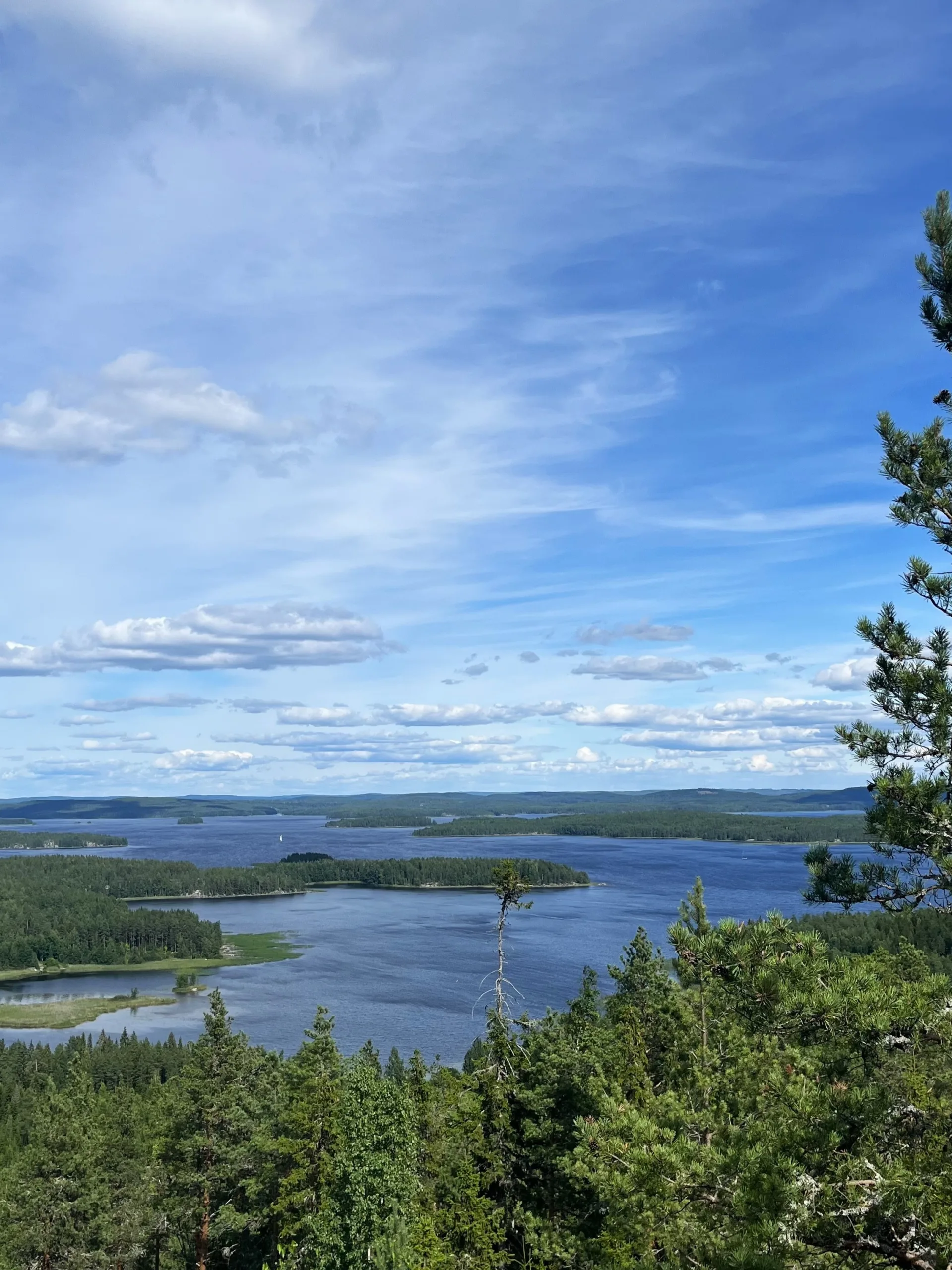
EUROPE IS BURNING. WHAT HAS SUMMER 2026 LOOKED LIKE FROM THE PERSPECTIVE OF FINNISH FORESTS?
In summer 2026, Europe is experiencing intense heatwaves, drought, and extensive wildfires. In Finland, the summer has been considerably milder, although June was warmer than usual.
The situation in Europe provides an interesting point of comparison. Climate change affects forests in all regions differently, and its impacts cannot be fully assessed by examining individual heatwaves or wildfires alone. From a forest perspective, what matters is how temperature, water availability, and growing-season conditions are changing, and how these changes affect the disturbance regime of forests.
Winter and spring are also part of this picture. The past winter was warm in Finland, with low snow cover in some areas, and spring continued to be warm in many parts of the country. What matters is therefore not necessarily one exceptional weather event, but the continuum of environmental conditions from winter through the growing season. Warming and changing conditions can affect, for example, drought stress and the defensive capacity of trees, as well as the development and reproduction of forest pests. At the same time, species’ ranges may shift northwards, and some species may become more common in Finland. A changing climate can therefore gradually influence which disturbances occur in forests, how frequently they occur, and how they interact with one another.
The wildfires in Central Europe this summer are one visible and serious example of changing risks. In Finland, changes may manifest differently and more gradually, for example, in tree mortality, the dynamics of forest pests, or the species found in our forests.
This is precisely why we need forest health monitoring, long-term observations, and new ways of combining field observations, remote sensing, and environmental data. Only by doing so can we understand how forest disturbance regimes are changing and where these changes begin to emerge. Perhaps that is precisely why it is interesting to monitor the condition of our forests even when nothing dramatic is happening.